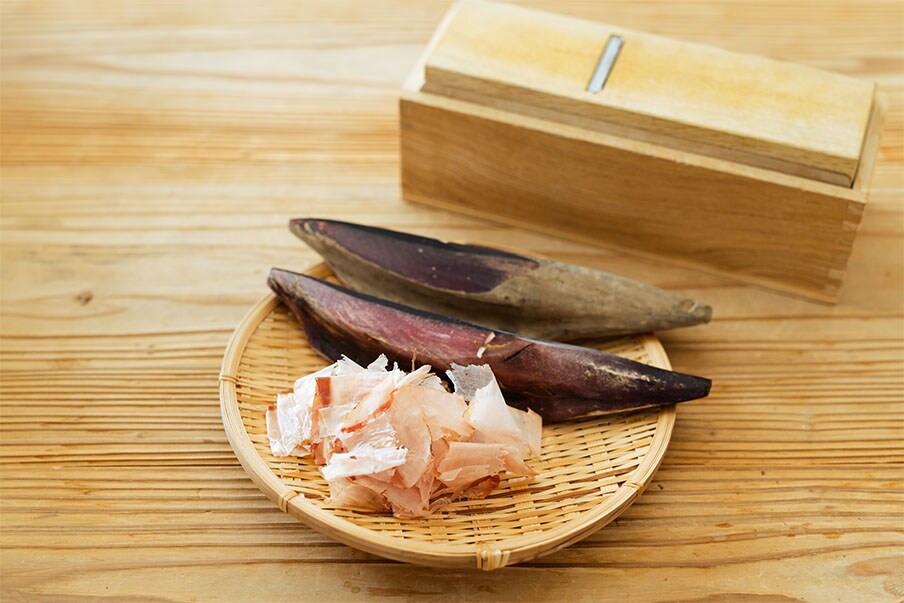
Katsuobushi, or dried bonito flake, is used so extensively throughout Japanese cuisine that you might consider it a foundational ingredient. From traditional dashi soup stock to garnishes on noodle, egg, vegetable, and tofu dishes, it’s hard to miss its umami flavor once you begin to recognize it everywhere.
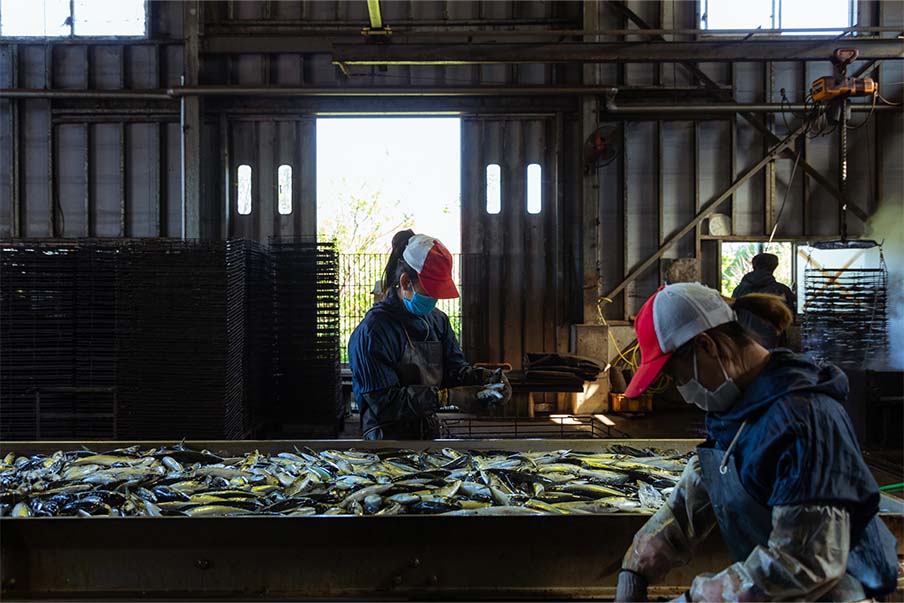
Made from bonito fish, also known as skipjack tuna, katsuobushi is created by deboning, simmering, drying, and repeated smoking to achieve a hardened form which can then be shaved and used for cooking. With this process taking weeks or even months to complete, the two most common types of katsuobushi are arabushi and karebushi.
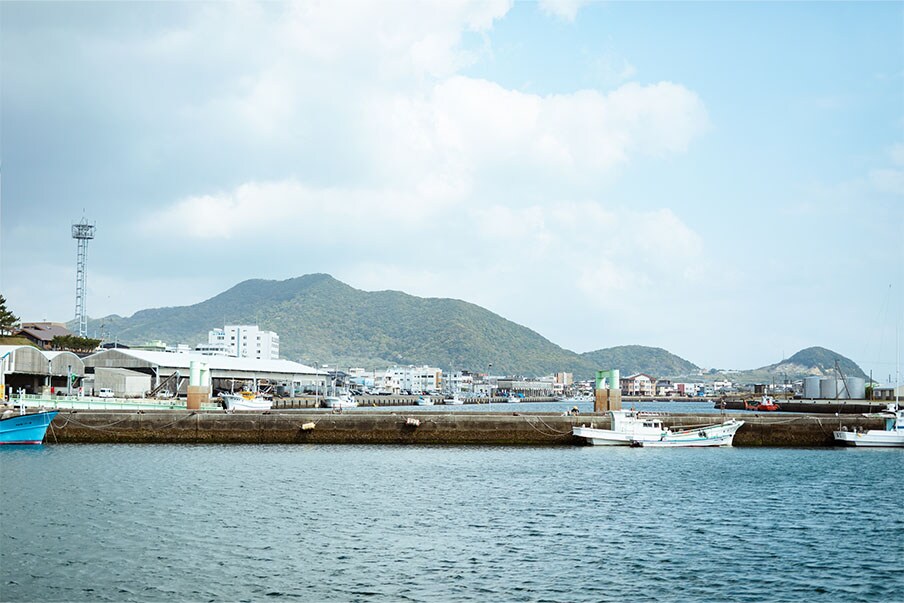
The latter has an additional process where a mold bacteria is applied in numerous layers and then fermented, resulting in a deeper umami flavor. In southern Kagoshima, Makurazaki is celebrated for its high-quality karebushi. Supported by the area’s temperate seaside climate, this city produces more than half of all katsuobushi in Japan. Walking through the streets of Makurazaki, you can take in the unique smoky, umami aromas that waft in the air.















Share
SHARE