





INDEX
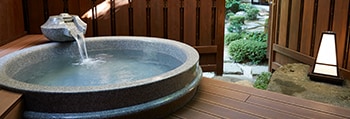
Relax in Yuda Onsen’s Abundant Therapeutic Natural Hot Springs
Get to know Yuda Onsen - Yamaguchi Prefecture’s premier hot spring destination - and its Japanese cultural experiences. Book your journey with JAL today.

The top must-see tourist spots to visit when traveling to Yamaguchi.
Yamaguchi lies in western Honshu. It is an area filled with lush forests, cherry trees lining riverbanks, and scenic coastal views. Once called "Kyoto of the West", Yamaguchi’s rich history dates back to the 14th century, when it was founded by the Ouchi family. The city flourished, rivaling Kyoto in cultural sophistication.
Yamaguchi’s vibrant heritage is evident in many of its landmarks — many of which still stand today. Its museums hold diverse treasures from the past. Come for a visit and enjoy the tranquil atmosphere. Immerse yourself in the cultural attractions that showcase the prefecture’s historical roots. See the city’s natural landscapes. Marvel in the exquisite craftsmanship of its architectural landmarks and art pieces.
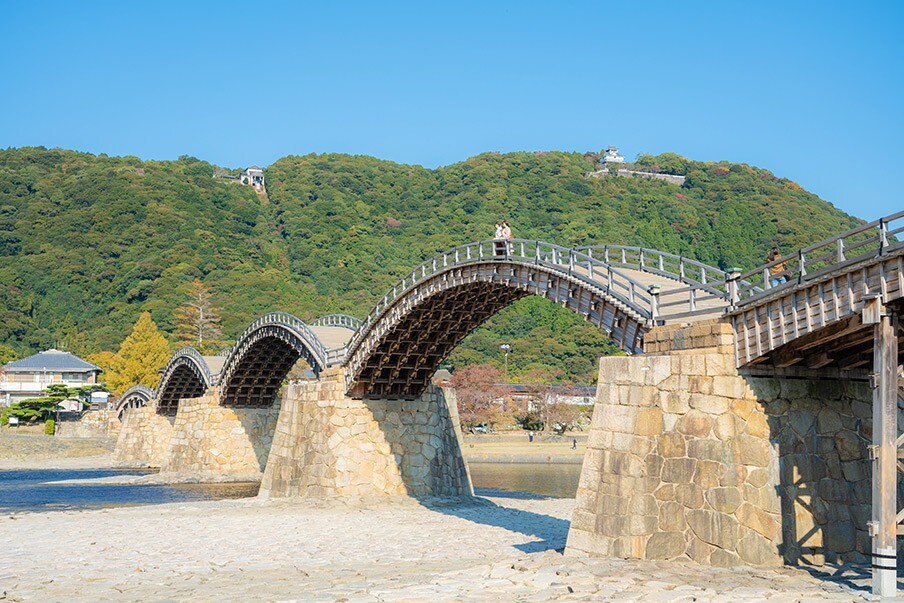
The Kintaikyo Bridge is a wooden bridge located in Iwakuni City, Yamaguchi Prefecture. It was originally constructed in 1673 by Kikawa Hiroyoshi, the third feudal lord of Iwakuni.
Shortly after its completion, the bridge was washed away when the Nishiki River flooded over. In 1674, it was rebuilt with improvements to further strengthen it and stood proudly for over 270 years until it was washed away again by a typhoon in 1950. Due to the strong requests and popular support from local residents, the bridge was built once more in 1953, and it still stands today. Kintai Bridge is characterized by its five arches and is famous as one of Japan’s three most notable bridges. It was assembled using traditional woodworking techniques. Sturdy wood, such as cypress, chestnut, and oak, was used in its construction.
The best way to appreciate the Kintaikyo Bridge is from underneath, where you can admire the craftsmanship and precision. Around the bridge are stunning natural scenes that change with the seasons.
Currently, Iwakuni City and Yamaguchi Prefecture are working together to register Kintaikyo Bridge as a UNESCO World Heritage Site.
Address: 1 Iwakuni, Iwakuni City, Yamaguchi Prefecture 741-0062, Japan
Operating hours: Open all day *Unmanned at night
How to get to Kintaikyo Bridge: It’s a 1 hour and 40-minute drive from Yamaguchi Ube Airport.
About 15 minutes by "Kintaikyo Bridge-bound" bus from Shin-Iwakuni Station
About 20 minutes by "Kintaikyo Bridge-bound" bus from Iwakuni Station
About 4 minutes by "Kintaikyo Bridge-bound" bus from Nishi-Iwakuni Station
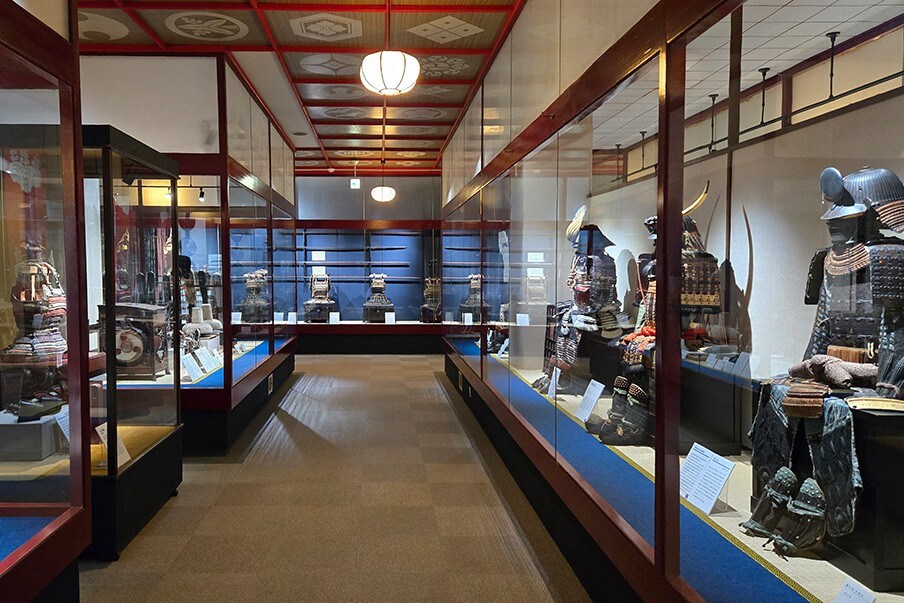
The Kashiwabara Art Museum is an art and historical museum also located in Iwakuni. It is in front of the Ropeway Base Station of Iwakuni Castle near Kintaikyo Bridge.
The museum spans three floors. It has approximately 6,000 items — many of which are designated as national treasures or important cultural properties. Several of the items come from the Nara to the Edo Periods. You’ll find objects on display, including glass artifacts, ceramics, paintings, and calligraphy. You can also see equestrian equipment and various furniture.
These days, there's a fascination with Japanese history and swords. Because of that, the Kashiwabara Art Museum has become one of the most popular tourist attractions in Iwakuni. The museum displays jinbaori (battle armor) and swords. Each item showcases the unique artistry and cultural significance of Japanese weaponry and other artifacts. You’ll also find a rare example of craftsmanship from Yoshihiro Go, a renowned sword-maker during the Nanboku-cho period.
Kashiwabara also houses the "Battle of Kawanakajima Folding Screen" and the "Takeda Army Formation Screen". The screens showcase some of the most iconic samurai battles, serving as both a historical record and a work of art. They depict the fierce rivalry of the different clans and the complex military tactics used during those conflicts.
Address: 2-10-27 Yokoyama, Iwakuni City, Yamaguchi Prefecture 741-0081, Japan
Opening hours: 9 a.m. to 5 p.m. From December to February, open until 4 p.m. (closed on Tuesdays)
How to get to Kashiwabara Art Museum: After crossing Kintaikyo Bridge, make your way to Kikko Park. Kashiwabara Art Museum is in front of the Ropeway Base Station of Iwakuni Castle.
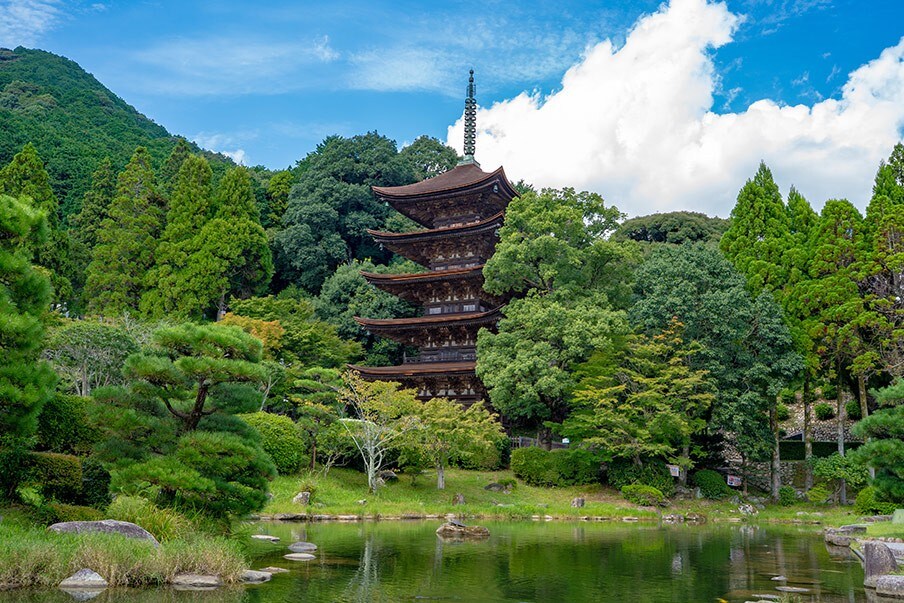
The Ruriko-ji Temple Five-Story Pagoda is a National Treasure located in Yamaguchi City. The pagoda’s construction was initiated by Moriakira Ouchi, the 11th head of the Ouchi clan, to mourn his predecessor and older brother, Yoshihiro Ouchi. However, as Moriakira died in battle in 1431, he did not get to see the pagoda’s completion in 1442.
Located within Kozan Park, it also includes a main hall, a treasure house, and a bell tower. The on-site museum houses photos and models of five-story pagodas from different sites across Japan. While strolling the grounds, you can enjoy the "nightingale floor cobblestones," which produce a beautiful, nightingale-like sound when you clap your hands or stomp your feet on the stone pavement.
Known for its graceful design, the Ruriko-ji Temple Five-Story Pagoda is one of the three most famous pagodas in Japan, along with Horyuji Temple in Nara and Daigoji Temple in Kyoto. It is one of the oldest existing pagodas and a symbol of Yamaguchi’s cultural heritage. You can enjoy beautiful scenery in the temple throughout the year, including cherry blossoms in the spring and golden foliage in autumn.
Address: 7-1 Kozan-cho, Yamaguchi City, Yamaguchi Prefecture 753-0081, Japan
How to get to Ruriko-ji Five-Story Pagoda: It is approximately 50 minutes by car from Yamaguchi Ube Airport. You can also take the shuttle bus to Shin-Yamaguchi Station. From Shin-Yamaguchi Line, take the train to Yamaguchi Station (approx. 30 minutes), after that, it takes about 15 minutes by municipal community bus, or you can reach the five-story pagoda by rental bicycle or taxi.
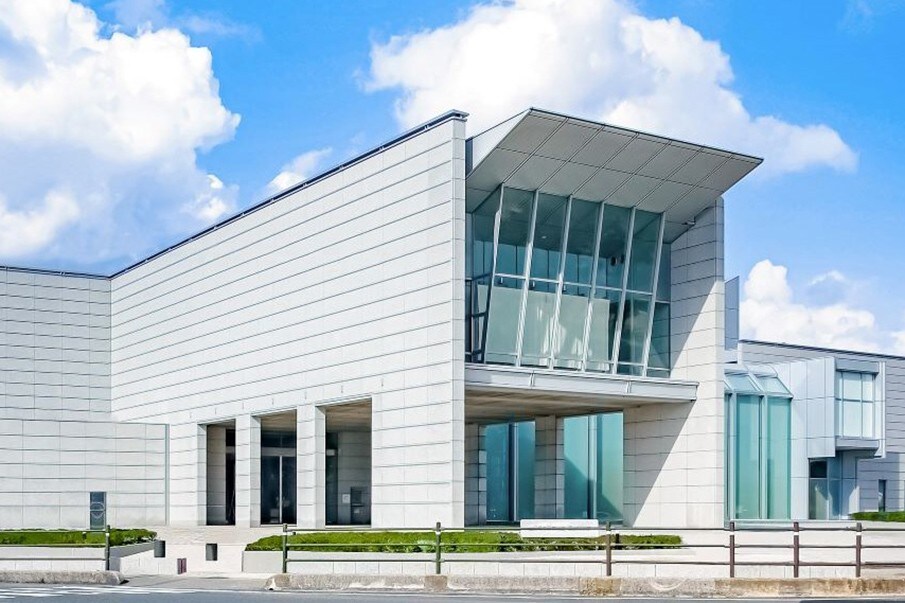
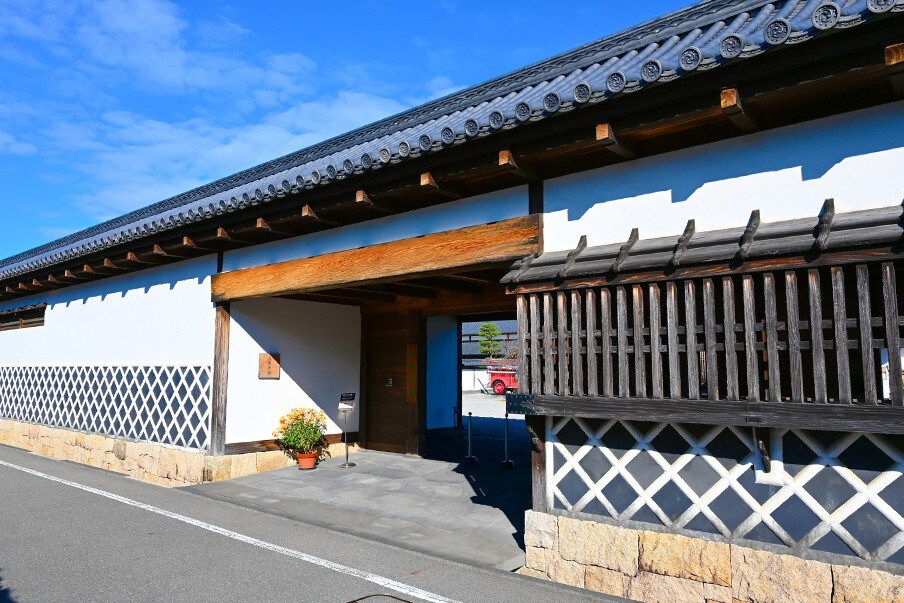
Hagi City is promoting the concept of the "Hagi Citywide Museum," allowing visitors to enjoy the entire city as a museum. At its core is the Hagi Museum, distinguished by its silver-tiled roof and black plaster walls with striking white joints. The Yamaguchi Prefectural Hagi Uragami Museum was designed by Kenzo Tange, the renowned architect who also designed the Tokyo Metropolitan Government Building.
Opened in 1996, the Yamaguchi Prefectural Hagi Uragami Museum is located in Hagi, a historic castle town. The surrounding area still retains samurai residences and merchants' houses, preserving the atmosphere of bygone eras. Inside, the museum houses around 5,200 ukiyo-e woodblock prints created by famous artists such as Utagawa Hiroshige, Katsushika Hokusai, and Utagawa Kuniyoshi. The collection also includes over 700 pieces of East Asian ceramics from China and Korea, as well as contemporary ceramic artworks.
Every year, the museum hosts diverse special exhibitions, and visitors can enjoy displays on natural science, folklore, history, art, and crafts. In 2009, the museum was awarded two stars in the Michelin Green Guide Japon, making it the highest-rated tourist facility in the prefecture.
The Hagi Museum exhibits letters, helmets, and shamisen belonging to Takasugi Shinsaku, a prominent military leader and politician from Hagi. There is also a restaurant and shop where visitors can savor cuisine unique to Hagi and Yamaguchi Prefecture. During summer, the orange-flavored soft-serve ice cream made with local produce is especially popular.
Address: 586-1 Hiyako-machi, Hagi City, Yamaguchi Prefecture 758-0074, Japan
Operating hours: 9 a.m. to 5 p.m.
Access: About 70 to 80 minutes by taxi (Hagi Kintetsu shared taxi; advance reservation required by the day before) from Yamaguchi Ube Airport. About 60 minutes by direct bus from Shin-Yamaguchi Station; get off at "Hagi Meirin Center" and walk about 5 minutes.
Address: 355 Horiuchi, Hagi City, Yamaguchi Prefecture 758-0057, Japan
Operating hours: 9 a.m. to 5 p.m.
Access: About 70 to 80 minutes by taxi (Hagi Kintetsu Shared Taxi; advance reservation required by the day before) from Yamaguchi Ube Airport. About 60 minutes by direct bus from Shin-Yamaguchi Station; get off at "Hagi Meirin Center" and walk about 15 minutes.
You can easily explore Iwakuni City, Hagi City, Yamaguchi City, and other places in Yamaguchi Prefecture when you book a JAL Japan Explorer Pass that lets you visit different places around Japan on a special domestic fare. Fly anywhere in Japan from Tokyo when you book the JAL Japan Explorer Pass.
Explore the JAL Japan Explorer Pass.
Get to know Yuda Onsen - Yamaguchi Prefecture’s premier hot spring destination - and its Japanese cultural experiences. Book your journey with JAL today.

Explore Yamaguchi's best sake breweries, from iconic Dassai to boutique brands. Discover unique tours and how to travel there with JAL.
Escape the bustling city for Yamaguchi Prefecture, where stunning scenery and historic culture combine. Plan your journey with JAL.


Share
SHARE