The history of dairy farming in Hokkaido started in the mid-19th century during the Meiji Era. This was when Japan first opened up to Western ideas and adopted new farming methods. These changes helped create the thriving dairy industry Japan is famous for today.
The Meiji government then pushed for farming growth, using methods from Europe and America. In the late 19th century, the government brought in foreign cattle and farming techniques. The first Japanese cattle farm was set up in Ikusagawa, near Hakodate.
Emperor Meiji's visit to Hokkaido in 1876, where he tried milk, cheese, and ice cream, sparked his interest in dairy farming. This led to the opening of many dairy farms in the area most of which are still operational today.
Over time, milk became an integral part of Japanese diets. Schools even started serving it in meals. This made milk a common item in Japanese homes. By the postwar years, dairy farming took off.
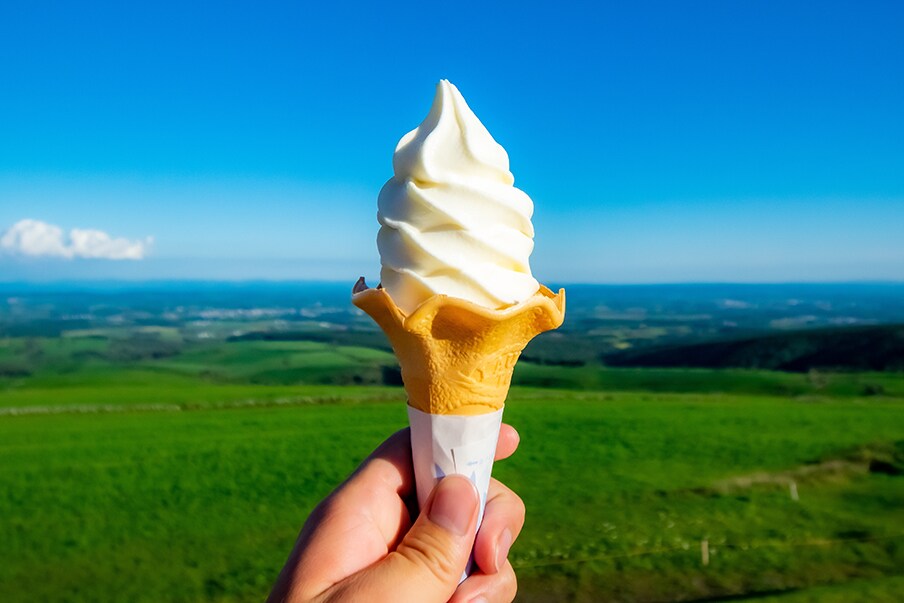
Hokkaido became the major dairy producer, making over half of Japan's milk. Today, most of this milk is sold as whole milk. But the industry has evolved, creating famous products like soft-serve ice cream and milk beer.
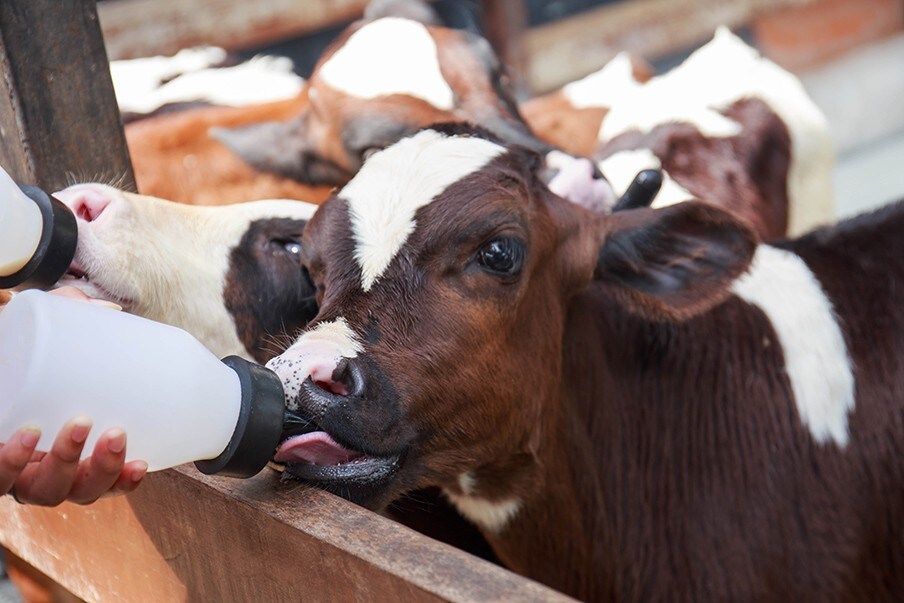
Plus, high-tech milking has helped farms like those in Tokachi manage large herds. They can milk over 1,000 cows at once.
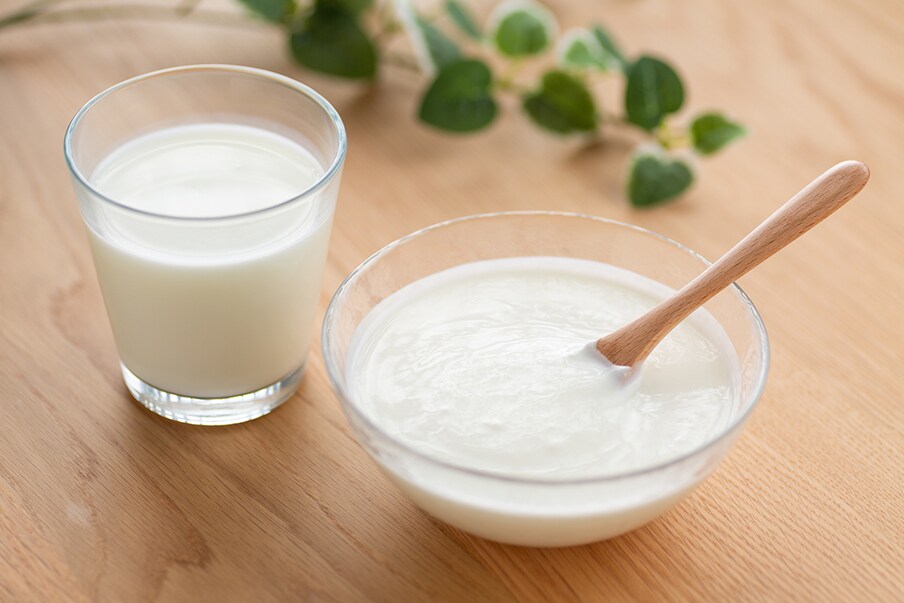
The rise of famous Hokkaido ice cream shows Hokkaido's dedication to quality dairy. New methods, like non-homogenizing for yogurt, aim to highlight the cream layer. Despite challenges like aging populations and economic issues, Hokkaido keeps focusing on top-notch dairy products.
Brands like Yamakawa Farm Natural Milk Company which was founded in 1945, show Hokkaido's focus on quality. Their products, like bottled milk, are known for their safety and freshness. This quality has attracted interest from markets in Southeast Asia and East Asia.
This rich history of farming shapes Hokkaido's landscape and culture in Japan. It's a story of growth and tradition.
















Share
SHARE